Tarot spread generator
Pick a spread, then tap each card to shuffle and draw it. Every position is explained, and you can write your own reading for each card.
Tarot learning laboratory
The fastest way to get good at tarot is to describe what you see before you look anything up. Here's a card with its meaning hidden. Write down what it says to you, then reveal the traditional interpretation and compare.
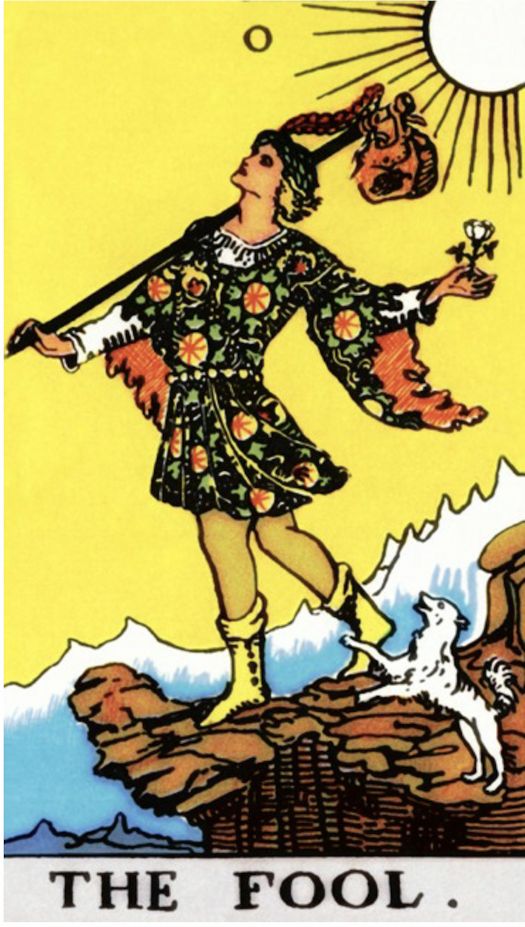
The Fool
Upright · Major Arcana
meaning hidden
What stands out to you?
- · What catches your attention first?
- · What emotions does the card create in you?
- · Which symbols stand out, and why those?
- · What appears to be happening in the scene?
- · What might the figures be experiencing right now?
Why intuitive reading beats memorising
Seventy-eight cards is a lot to memorise, and memorised meanings tend to come out stiff. Reading the image instead — the colours, the posture, the weather, who is looking where — gives you something to say that fits the question in front of you. The traditional meanings still matter: they're the shared vocabulary. Use this laboratory to build your own reading first, then let tradition sharpen it.
Keep learning
Common questions
- How do I learn to interpret tarot cards?
- Describe the picture in plain language before reaching for a book, then check the traditional meaning and note where the two overlap. Doing that daily for a month teaches you more than reading a guide cover to cover.
- Do I need to learn reversed meanings?
- Not at first. Many readers start upright-only and add reversals once the 78 cards feel familiar.